
Wetlands in Mongolia
Mongolia’s wetlands are among the nation’s most important natural assets, providing critical ecological, hydrological, and social benefits. These ecosystems support biodiversity, sustain water resources, and serve as essential habitats for migratory waterbirds and many rare and threatened species.
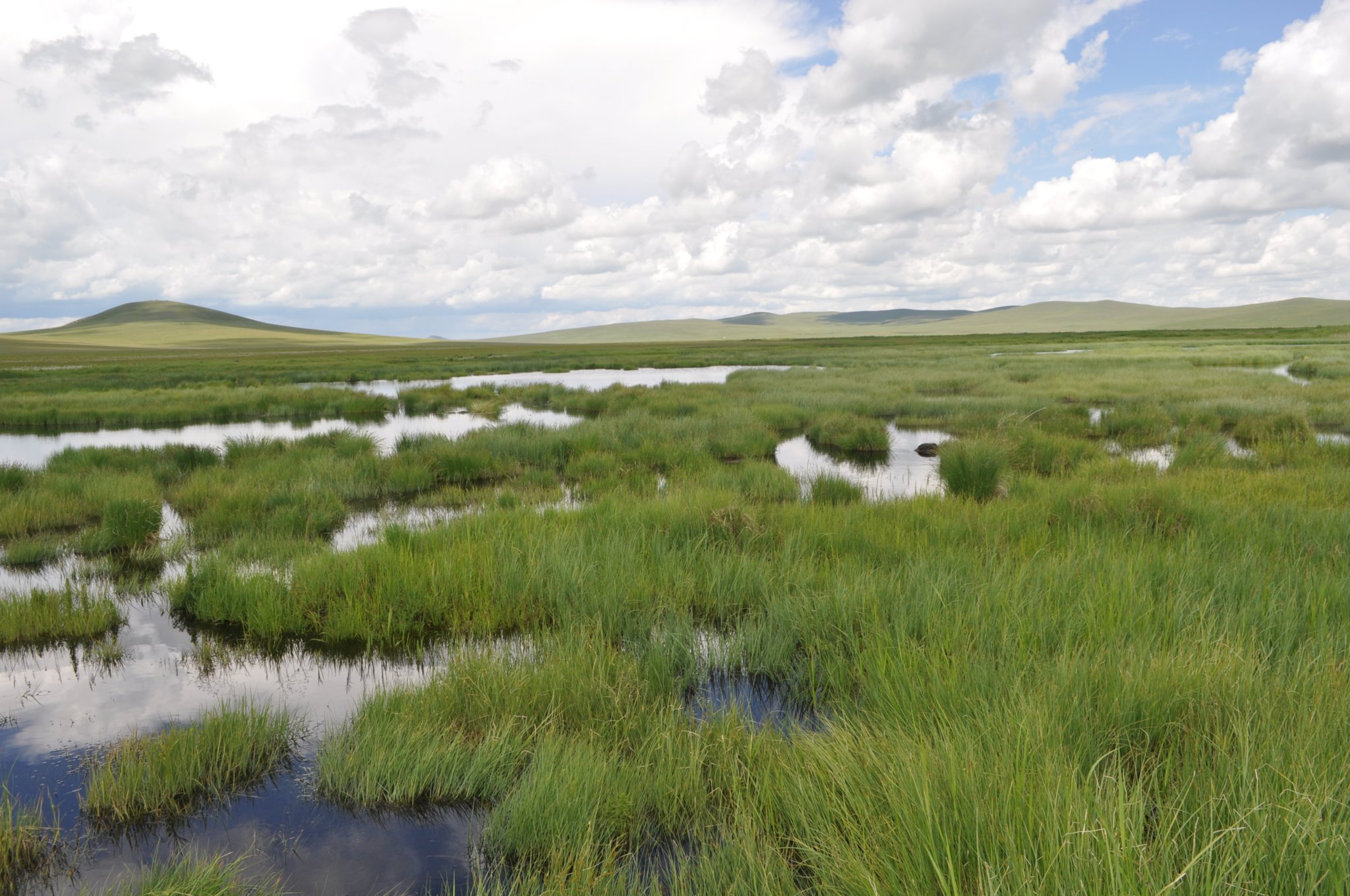
There are 11 Ramsar Sites in the country. They are internationally recognized wetlands of exceptional importance, reflecting the country’s global responsibility in conserving key freshwater and wetland ecosystems. Protecting these areas is fundamental to maintaining ecological balance, strengthening climate resilience, and safeguarding natural heritage for future generations.
At the same time, Mongolia’s wetlands are highly fragile and increasingly threatened by degradation. Human activities such as overgrazing, mining, and infrastructure development are placing growing pressure on wetland ecosystems, affecting their ecological health, water balance, and long-term resilience.
Wetlands are also closely linked to the livelihoods of herding communities across Mongolia. They provide reliable water for livestock, maintain pasture productivity, and help sustain the broader landscape conditions on which traditional pastoral life depends. Protecting wetlands therefore means protecting not only wildlife and ecosystems, but also the well-being, resilience, and future of local communities.